
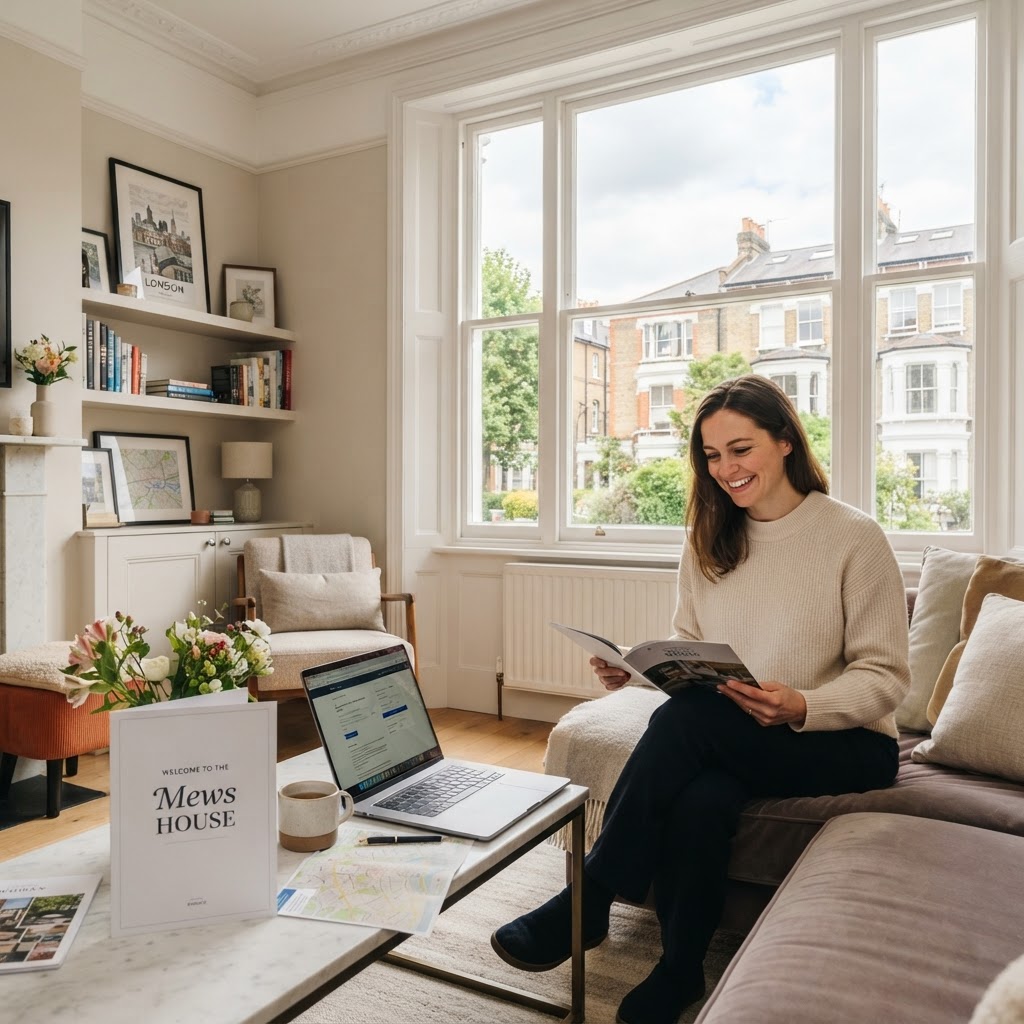
Every time a guest books through Airbnb, the platform takes between 3% and 5% from you as the host, and charges the guest a separate service fee that typically adds 14% to 16% on top of your nightly rate. That combination quietly erodes both your margin and your competitiveness. Building a direct booking channel fixes both problems, but most hosts either never start or give up after publishing a basic website that generates nothing.
Why direct bookings matter for UK short-let hosts
The maths are straightforward. On a £150 per night booking over four nights, Airbnb's host fee alone costs you roughly £24. Multiply that across 200 booked nights a year and you have given the platform £1,200 in fees before accounting for the guest-side charges that push your listed price higher than competitors who operate outside OTAs. At that scale, a basic direct booking setup pays for itself within the first month it generates a conversion.
There is a second reason that matters just as much: platform dependency is a genuine business risk. Airbnb has suspended listings without warning, adjusted search algorithms that wiped out visibility overnight, and introduced policy changes — such as the 2023 anti-party measures that affected entire property categories — with minimal notice. Hosts who had cultivated even a modest direct booking audience were insulated. Those who had not scrambled to recover.
Direct bookings are particularly valuable in markets where you see strong repeat guest patterns. City-centre apartments in Manchester and Leeds regularly attract business travellers and contractors who return monthly. Once you have that guest's contact details and they have had a good stay, re-booking direct is often a single WhatsApp message away.
What a direct booking website actually needs
The bar is lower than most hosts expect. You do not need a custom-built platform or a developer on retainer. What you do need is a property page that answers the questions a guest has before they commit: accurate photos, a clear description of the space, the nightly rate with a transparent breakdown of any cleaning fee, and a calendar showing availability. A site that does those four things well will convert.
Platforms like Lodgify, Hostfully and Hospitable all offer direct booking website builders that integrate with your existing channel manager calendar, so availability stays synchronised across Airbnb, Booking.com and your own site. Lodgify's entry-level plan sits at around £12 per month at the time of writing and includes a bookable website, payment processing and a basic property management layer. For a single property, that is a negligible overhead.
The one element most hosts neglect is social proof. Airbnb reviews cannot be exported and displayed elsewhere (Airbnb prohibits this in their terms), but you can collect Google Reviews, use Trustpilot, or simply ask returning guests to leave a short testimonial you publish on your site. Even three or four genuine testimonials with a name and location move conversion rates noticeably. One operator I know in Birmingham went from roughly zero direct bookings in the first six months to around 18% of total revenue direct after adding a testimonial section and a simple discount prompt for returning guests.
How to drive traffic to your direct booking site
A website with no visitors generates no bookings. Traffic is the part that requires consistent effort, but it does not require paid advertising, at least not initially. The most reliable free traffic source for short-let operators is Google Business Profile. Claim and fully complete your listing, add photos, set your property category correctly, and encourage guests to leave reviews. Properties in Birmingham and Liverpool with well-maintained Google Business profiles regularly appear in map results for searches like "serviced apartment Birmingham city centre" — searches that Airbnb itself does not dominate in the same way it dominates brand-level queries.
Local SEO on your website works alongside this. Write a single page that targets a specific phrase your ideal guest would search, such as "monthly let Manchester apartment" or "contractor accommodation Leeds." That page does not need to be elaborate — 400 words covering the property, the location and why it suits that type of guest, with your contact details and a booking link. One page like this, indexed and sitting on a clean domain, can generate enquiries for years without any ongoing maintenance.
For guests who have already stayed, a follow-up message is the most cost-effective marketing tool available. Send a short message two or three weeks after checkout thanking them, mentioning that direct bookings receive a small discount (typically 8% to 10% covers the saving you make on platform fees while still offering the guest a better price than they saw on Airbnb), and including your direct booking link. The conversion rate on this audience is far higher than any cold advertising.
Building repeat guest relationships that convert
The guests most likely to book direct are the ones with a recurring need: project managers on rolling contracts, families who visit the same city annually, NHS locum doctors placed in the same region for several months. Identifying these guests early and making the relationship personal converts occasional Airbnb bookings into long-term direct revenue.
This does not require a CRM system or anything complicated. A simple spreadsheet with guest names, stay dates, the reason for their visit and a note about whether they mentioned returning is enough to start. When a contractor who stayed for three weeks in February mentions they have another placement in the same city in May, a personal message from you offering a direct booking at a slightly better rate will almost always land. We have seen this approach generate blocks of 60 to 90 nights of direct bookings from single guests in cities like Leeds and Manchester, which at a modest £90 per night represents £5,400 to £8,100 in fee-free revenue.
Payment, contracts and legal considerations
Direct bookings require you to handle things the platform previously managed: payment collection, deposits and the basic contractual relationship with your guest. Stripe and PayPal both integrate with the major booking website builders and handle card payments compliantly. For longer stays or higher-value bookings, a simple short-let licence agreement is sensible — this protects you and clarifies the terms the platform's standard policies would otherwise have covered.
It is important to understand that a short-let licence agreement is different from an assured shorthold tenancy. For stays under 90 days, you are generally operating a licence arrangement rather than a tenancy, which means standard landlord-tenant law does not apply in the same way. The rules differ across England, Scotland and Wales, and the UK's evolving short-let registration landscape adds further nuance. Always take professional legal advice for your specific circumstances before issuing direct booking contracts.
On income, any revenue you collect directly is still taxable in the same way as platform income. The platform not reporting it to HMRC does not change your obligation to declare it. Seek advice from an accountant familiar with furnished holiday lettings or short-let income if you are unsure how direct bookings interact with your current tax position.
Balancing direct bookings with Airbnb and Booking.com
The goal is not to replace the platforms entirely — that would be unrealistic for most operators and would leave significant discovery traffic on the table. Airbnb and Booking.com are marketing channels with enormous reach, and new guest acquisition through them is difficult to replicate cheaply. The practical target for most hosts is to move 15% to 25% of annual revenue to direct bookings within the first 12 months of focused effort. That figure meaningfully improves your net yield without requiring you to walk away from the visibility the platforms provide.
A channel manager keeps your calendar synchronised across all channels including your direct booking site, so double-booking risk is managed centrally. If you have not yet set up a channel manager, the resources section of this site covers the main options in detail.
Keep your direct rates at least 8% below your Airbnb listed price to account for the guest-side service fee guests would otherwise pay
Mention direct booking availability in your check-in message once — not repeatedly — so guests are aware of the option without feeling pressured
Update your Google Business Profile at least quarterly with new photos or a post to maintain local search visibility
Short-let operators who treat direct bookings as a genuine business channel rather than an occasional bonus consistently outperform those who rely on a single platform. The setup investment is modest, the ongoing effort is manageable, and the compounding effect on margins over a two or three year horizon is substantial.
If you want to understand what your property could realistically earn across both platform and direct channels, Truestays offers a free income estimate based on your specific location and property type. Visit the pricing page to get a figure tailored to your situation.
Ready to get started?
Get a free personalised income estimate for your property. No commitment, no pressure.