
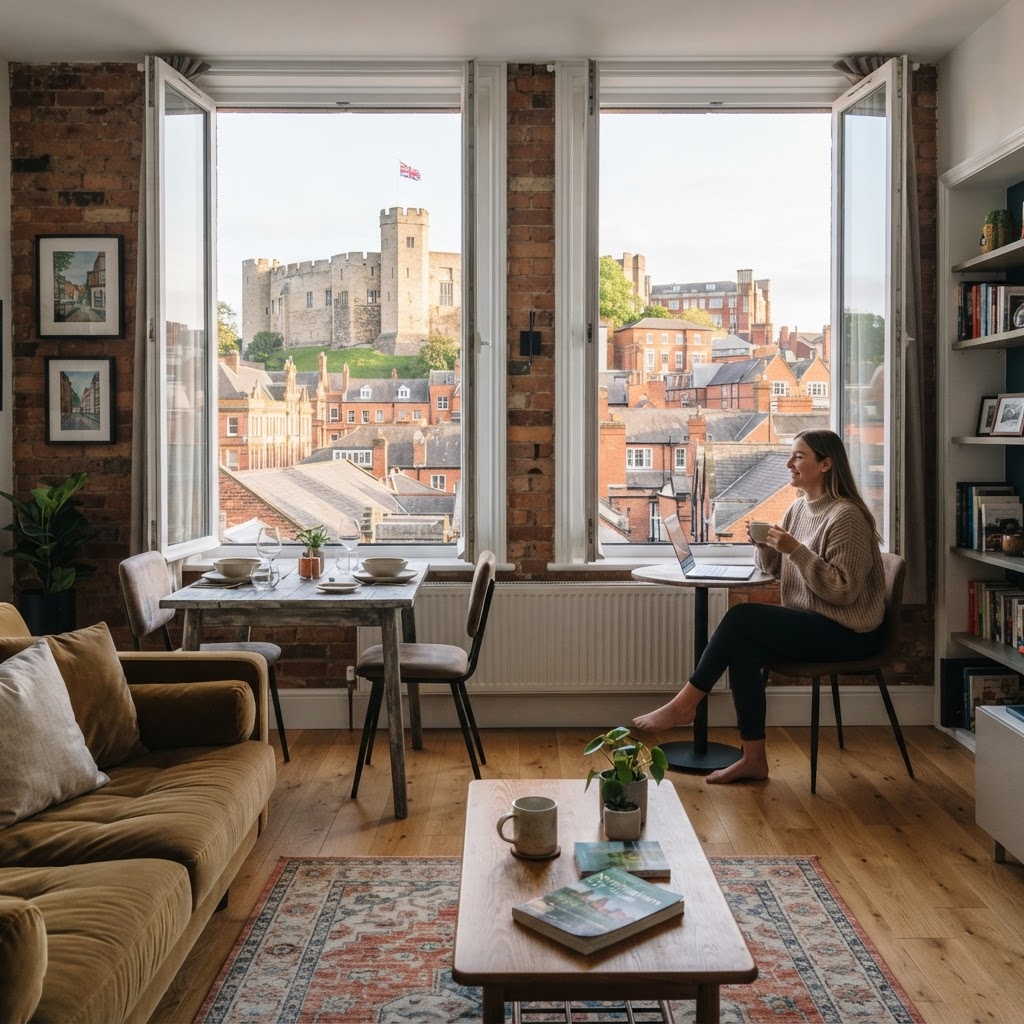
Nottingham does not get talked about as often as Manchester or Birmingham in short-let circles, but it quietly produces solid returns for operators who understand the market. This guide breaks down what hosts are actually earning, which areas work best, and what makes Nottingham tick as a short-let city.
What does the Nottingham short-let market actually look like?
Nottingham has a live short-let supply of roughly 600 to 800 active listings on Airbnb at any given time, with the majority sitting in the NG1, NG7 and NG2 postcodes. That supply is relatively modest compared to a city like Leeds, which means well-presented properties face less competition than in oversaturated markets. The city draws a mixed profile of guests: contractors and business travellers working at the Queen's Medical Centre or the major distribution hubs around the M1 corridor, weekend leisure visitors, university parents during term transitions, and event-goers tied to Nottingham Forest and Notts County fixtures at the City Ground and Meadow Lane.
Occupancy rates across the market average around 68 to 74 percent annually for well-managed listings, though top-performing properties in central Nottingham can push above 80 percent during peak months. The short-let season is fairly consistent year-round, which is a genuine advantage. Unlike seaside towns that spike in summer and collapse in winter, Nottingham's corporate and student-adjacent demand provides a steadier baseline.
How much can you realistically earn?
A one-bedroom apartment in the city centre with good photography and competitive pricing will typically generate between £18,000 and £24,000 gross per year. A two-bedroom property in a well-located neighbourhood like Lace Market or the Waterside regeneration zone can reach £28,000 to £38,000 annually, depending on fit-out quality and how actively the pricing is managed. Three-bedroom houses in areas like West Bridgford, which attract family and group stays, can exceed £40,000 gross in strong years.
These figures are gross revenue, before platform fees, cleaning, utilities, management and maintenance. Airbnb typically takes 3 percent from hosts on the standard pricing model. A management company will usually charge 15 to 25 percent of gross revenue depending on the service scope. After all operating costs, a well-run one-bedroom city centre flat might net £11,000 to £15,000 per year. That compares reasonably well against a long-term AST on a similar property, which in Nottingham city centre would likely yield £9,000 to £11,000 annually after void periods and basic maintenance.
The gap between gross and net is where many new hosts get caught out. If you want a thorough picture of how revenue translates to actual profit, the Truestays pricing page sets out how costs are structured in more detail.
Which areas of Nottingham perform best?
The Lace Market is Nottingham's strongest short-let postcode. It sits within the NG1 area, close to bars, restaurants and cultural venues, and draws both leisure guests at weekends and contractors during the week. Converted warehouse apartments with exposed brick and high ceilings consistently outperform generic new-builds on both occupancy and average daily rate, which in Lace Market typically sits between £85 and £130 per night for a one-bedroom.
The Waterside and Island Quarter developments along the canal are worth watching. Both are relatively new additions to Nottingham's rental stock, and early data from operators we know in those buildings suggests average daily rates of £90 to £120 for one-bedroom units, with occupancy tracking well due to the novelty factor and proximity to the City Ground. That premium may compress as more stock comes online, so it is worth monitoring supply growth carefully.
West Bridgford, just south of the River Trent, is the city's most affluent suburb and performs strongly for three- and four-bedroom houses. It pulls in higher-value group bookings, particularly around Forest home fixtures when away fans and corporate hospitality guests fill the area. Average nightly rates for a four-bedroom house here can reach £250 to £350 on event weekends, compared to £140 to £180 on standard weeknights.
Beeston and Dunkirk, close to the University of Nottingham campus, generate consistent demand from visiting academics, prospective students and parents. These are not glamour locations, but the demand is reliable and properties are cheaper to acquire, which can produce attractive yields on capital.
What drives demand in Nottingham?
Nottingham's short-let demand comes from several distinct sources, which is one reason the market is more resilient than single-driver cities. The National Health Service is the single largest employer in the city, and the Queen's Medical Centre is one of the largest teaching hospitals in Europe. That generates a constant flow of locum doctors, agency nurses and visiting medical professionals who need short-term accommodation for rotations lasting two to twelve weeks. These guests typically book longer minimum stays, which reduces turnover and cleaning costs significantly.
The two universities, the University of Nottingham and Nottingham Trent, between them enrol around 60,000 students. That creates demand spikes around open days, graduation weekends and the September and January intake periods. Graduation weekend alone in July can push nightly rates up by 40 to 60 percent across the city centre if you are using a dynamic pricing tool properly.
Sport is a bigger driver than many operators expect. Nottingham Forest's return to the Premier League brought a significant increase in away supporters travelling to the City Ground, and corporate hospitality demand around European fixtures added a new tier of high-value bookings that simply did not exist a few years ago. If you own something within a mile of the stadium, match-day pricing is a lever you should be pulling consistently.
What are the costs you need to account for?
Cleaning is the most variable cost in Nottingham. Expect to pay £55 to £80 for a one-bedroom clean and £90 to £130 for a two-bedroom, depending on the cleaning company and turnover frequency. Linen laundry on top of that typically adds £15 to £25 per stay. Utility costs for a short-let property run higher than a long-term rental because you are covering all bills and guests tend to use more energy. Budget £150 to £250 per month for a one-bedroom flat depending on the season.
Council tax is an area that catches some hosts out. If your property is available to let for more than 140 days per year and actually let for more than 70 days, it may qualify as a self-catering property for rating purposes, which would move it onto business rates rather than council tax. Whether you qualify for small business rates relief depends on the rateable value and your wider business circumstances. Seek advice from a qualified accountant or rating surveyor before assuming you will pay nothing, as the rules have tightened in recent years and vary by local authority.
For a fuller breakdown of how ongoing costs stack up across a typical Nottingham property, the Truestays resources section has worked examples covering different property sizes and management arrangements.
Is Nottingham worth it compared to other Midlands cities?
Compared to Birmingham, Nottingham offers lower property acquisition costs with broadly similar gross yields. A city centre one-bedroom flat in Nottingham can be acquired for £140,000 to £200,000, whereas equivalent stock in Birmingham's Digbeth or Jewellery Quarter tends to start closer to £180,000 to £250,000. That lower entry price compresses your capital requirement and can improve your cash-on-cash return in the early years.
The risk in Nottingham is lower supply depth. If you are building a portfolio of five or more properties, Birmingham and Manchester offer larger guest pools and more booking volume to absorb multiple listings. Nottingham works extremely well for operators with one to three properties who want strong occupancy and manageable competition. It is not the right city if you are trying to run twenty listings at scale and rely on volume to make the economics work.
For comparison, our guides on Manchester and Birmingham set out how those markets perform against each other and against the national picture, which is useful context if you are deciding where to deploy capital.
If you own a property in Nottingham and want to know what it could realistically earn as a short let, Truestays offers a free income estimate based on your specific postcode, property size and current market data. There is no obligation attached, and the figures we provide are based on actual operator experience in the city rather than optimistic projections.
Ready to get started?
Get a free personalised income estimate for your property. No commitment, no pressure.